金粉世家
(乡村行·看振兴)太原小店区:一颗葡萄串起农文旅融合链,(乡村行·看振兴)太原小店区:一颗葡萄串起农文旅融合链_我的网站

一 | 山西太原小店区刘家堡乡王吴村的葡萄大棚里,紫黑色的“早黑宝”挂满藤架,果香四溢。
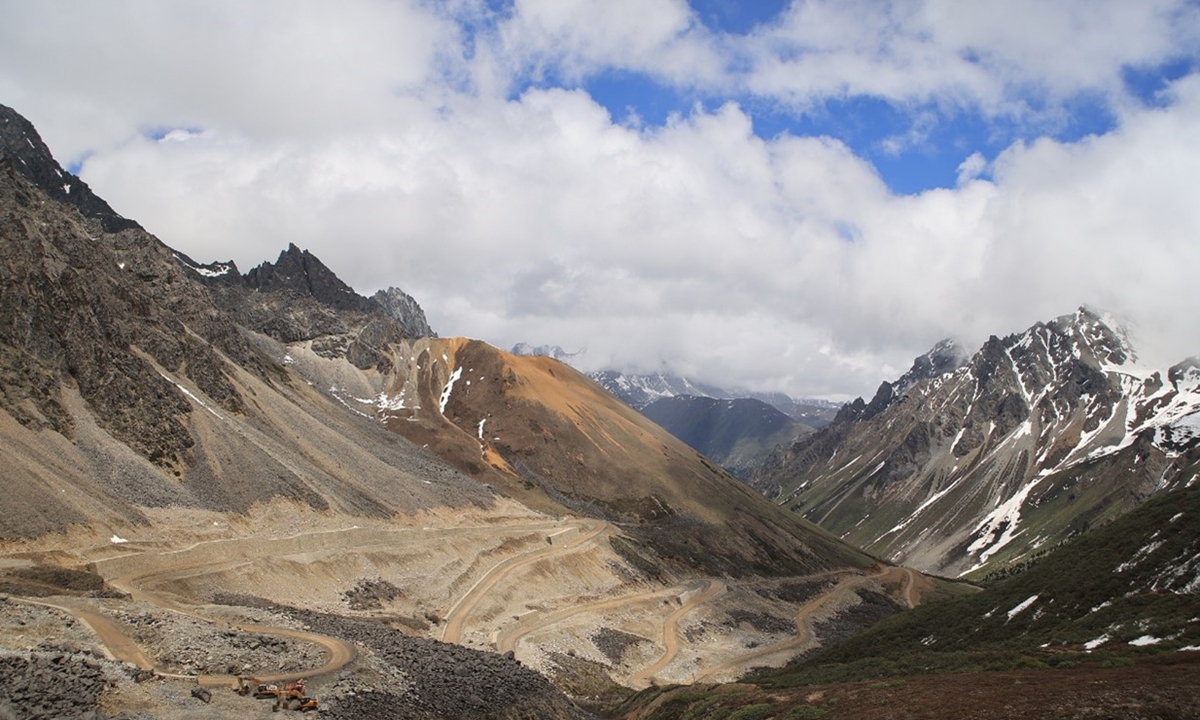
Scenery along the Tsawarong-Zayu section of National Highway 219 in Nyingchi, Southwest China's Xizang Autonomous Region Photo: VCG
A Xizang-based cultural research association recently issued a statement firmly rejecting India's recent move to unilaterally rename 27 places in China's Xizang region, saying the action is an attempt to distort history, fabricate geographical claims and undermine China's territorial sovereignty.
Recently, India unilaterally and illegally announced the so-called "standard names" for 27 locations in China's Zangnan, deliberately altering China's established place names and fabricating false geographical designations in an attempt to cement its illegal occupation of the area. In response, the Xizang Tsangyang Gyatso Culture Research Association issued a solemn statement based on historical documents and regional cultural facts, stressing that such actions are illegal and invalid, run counter to historical facts, and cannot be accepted, tibet.cn reported on Thursday.
The Mon-yul, Lhoyu and Zayu areas in Zangnan have been under administration of China's Xizang since ancient times. Successive central governments and local authorities in Xizang have maintained continuous, effective and well-documented governance over the region. The so-called "Arunachal Pradesh" is an illegal administrative entity unilaterally established by India based on the illegal and invalid "McMahon Line," with no historical, legal or cultural basis. China has always firmly refused to recognize it, the association said.
Place names serve as important carriers of territorial sovereignty, regional history and ethnic cultural heritage. Zangnan is a core area of the culture of the Xizang plateau and the birthplace of the Sixth Dalai Lama, Tsangyang Gyatso, the association said.
The traditional place names in the region have been passed down through generations, documented in historical texts and traced through cultural traditions, serving as vivid cultural evidence of China's territorial sovereignty over the area. India's forced replacement of traditional place names is essentially an attempt to distort history through administrative means, sever cultural links and undermine China's sovereignty. It disregards historical truth and damages the inheritance of civilization, it noted.
The association firmly supports the authoritative position of the Chinese Foreign Ministry and strongly rejects India's unilateral provocative actions. Any political manipulation aimed at altering place names or fabricating claims of sovereignty cannot change the undeniable fact that Zangnan belongs to China.
The association will continue to systematically compile historical place names, ancient records and cultural heritage from Zangnan, clarify facts and spread the truth, while resolutely safeguarding territorial integrity and the dignity of regional culture in China's Xizang, it said.
。王思宇 摄 太原8月25日电 题:太原小店区:一颗葡萄串起农文旅融合链 作者 王思宇 薛梓楠 高雨晴 八月的山西太原,小店区刘家堡乡王吴村的葡萄大棚里,紫黑色的“早黑宝”挂满藤架,果香四溢。市民穿梭其间,剪下一串串葡萄,尝一口,玫瑰香浓郁,甜度不低。

二 | 种植户王保卫种了十几年葡萄,他告诉记者,园子一直施农家肥,葡萄自然成熟,“回头客多,每年个把月,在地头就卖完了。还有人提前打电话订货,靠的就是品质和口碑。” 这种“足不出村”的销售场景,在王吴村已持续数年。这个过去以传统大田作物为主的村庄,如今靠着一颗早熟葡萄,调整了种植结构,也打开了农文旅融合的切口。 “早黑宝”是山西省农科院培育的品种,特点是果粒大、肉质软,带有玫瑰香味,成熟期比普通葡萄早约一个月,恰好补上市场空档。该品种已获得中国绿色食品发展中心的绿色食品A级认证,成为村里采摘农业的主打产品。

三 | 然而,产业转型并非一帆风顺。王吴村村委委员吴金鑫坦言:“早期最怕天气不好,霜冻、冰雹对葡萄影响很大,直接打击村民信心。刚开始大家心里都没底。

四 | ”后来,村集体组织农户参加技术培训,推行标准化管理,葡萄品质逐渐稳定,周边省份的游客也越来越多。 这一发展思路,与近期小店区提出“做大做强都市现代农业、走特色化、精品化、规模化互促共兴之路”的目标高度契合。王吴村立足自身区位优势,将早黑宝葡萄种植与乡村休闲旅游深度嫁接,系统打造集农事体验、民俗文化于一体的乡村振兴示范样板,让顶层设计在基层有了具体落脚点。 如今,葡萄每天都能稳定售出。吴金鑫说,“现在家门口就能卖上好价钱,文旅融合还增加了集体收入,也给村民提供了就近务工的机会。” 除了采摘,王吴村把省级非遗代表性项目“小店牺汤”民俗文化与葡萄采摘节有机融合,连续多年举办“羊汤文化节暨葡萄采摘节”,游客喝羊汤、摘葡萄、赏田园,把传统民俗变成可体验的乡村旅游项目。如今,该村已获评“山西省首批AAA级休闲旅游示范村”。

五 | 谈及下一步,吴金鑫表示,计划继续提升种植技术,推动规模化发展,并加入农耕研学体验,“让产业链更长,让乡村振兴的路子更宽”。 从单一农业到多元融合,王吴村正在小店区的产业规划中,尝试走出一条特色化、精品化的乡村发展路径。
Current article:http://gqt.caonaishengpengchuali.shop/9rns/w4avjn.html
Published on:08:14:32


